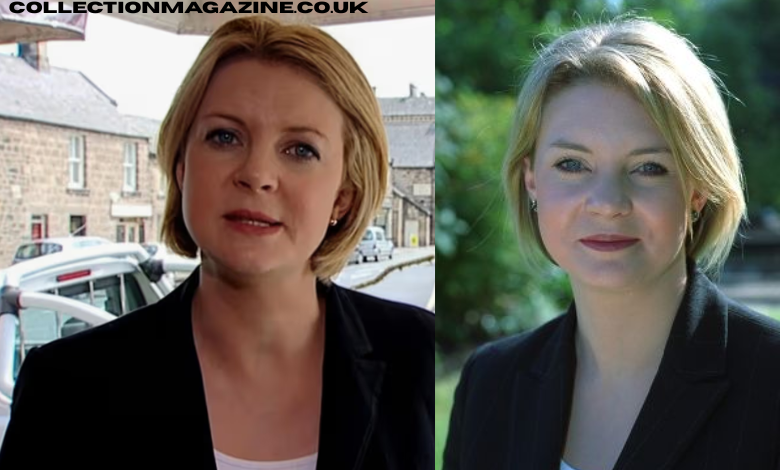
Emma Murphy, a seasoned ITV reporter, gained national attention when she found herself at the center of one of the UK’s most harrowing criminal manhunts. In 2010, the notorious fugitive Raoul Moat became the focus of intense media coverage after committing a series of violent crimes in Northumberland. The manhunt, which lasted for a week, captivated the nation. It was during this time that Emma Murphy, already established as a reporter, had a terrifying and unforgettable brush with the man who had been evading police for days.
The Raoul Moat Case: A Snapshot of Events
In the summer of 2010, Raoul Moat, a former doorman, went on a violent spree in Northumberland, England. His first victim was his ex-girlfriend, whom he shot and critically wounded. Moat also murdered her new partner, Chris Brown, before fleeing into the countryside. Over the course of the next week, police and the public were on high alert as Moat evaded capture. Armed with a shotgun, Moat taunted authorities, sending the nation into a state of fear.
The search for Moat was one of the largest and most intense in the UK’s history. The media, including ITV, provided live updates as the situation unfolded, and Emma Murphy was part of the team tasked with covering the story from the ground.
A Reporter’s Experience in the Midst of Danger
While journalists are no strangers to reporting from the scene of major events, few can say they have been as close to danger as Emma Murphy was during the Raoul Moat manhunt. As a reporter, her job was to document the story, but on one occasion, she found herself in a terrifying situation with the fugitive himself.
In a chilling moment, Murphy found herself walking alone on a rural road in Rothbury, a village where Moat was believed to be hiding. She recalled seeing a tall figure approaching her in the distance, but it wasn’t until they were nearly face-to-face that she realized the truth. “As I was walking up the road, I saw this very tall man coming towards me,” Emma said in a later interview. “As he approached, I thought, ‘He resembles Raoul Moat.’ But the closer he got, the more I realized, ‘It’s him.'”
With only a few feet separating her from one of the country’s most wanted criminals, Murphy remained calm and did what any professional reporter would—she tried to alert the police. However, her attempts to reach her colleagues were unsuccessful in the moment, and the fugitive walked past her, disappearing into the shadows of the village. It was a moment of intense fear and uncertainty, yet Murphy continued to document the situation as a part of her responsibility.
The Stand-Off and Moat’s Death
After a tense week of evasion, Moat’s time finally came to a tragic end. On July 10, 2010, he was cornered by police on the banks of a river. What followed was a standoff that lasted several hours. The police, who had been working tirelessly to catch him, were unable to apprehend Moat alive. After a tense negotiation and intense pressure from authorities, Raoul Moat tragically ended his life, shooting himself in the head and dying shortly afterward.
The manhunt came to an end, but the nation was left with a sense of shock and disbelief. Emma Murphy, like many others, followed the developments as Moat’s fate was sealed. Yet, the memory of her encounter with Moat stayed with her, a reminder of the danger and unpredictability that comes with being a journalist covering such high-risk stories.
The Personal Toll of Reporting on Violent Crime
Covering the story of Raoul Moat, especially given her close encounter with him, was a deeply unsettling experience for Emma Murphy. Journalists, while trained to handle high-stress situations, often carry the psychological weight of the stories they cover. The Raoul Moat manhunt, which involved personal and violent tragedy, left many reporters, including Murphy, reflecting on their own safety and the emotional toll of covering such stories.
For Murphy, reporting on the Moat case was a reminder of the risks involved in her profession. Being in the middle of a police operation, reporting on tragic events, and interacting with individuals at their most vulnerable is part of the job, but it can take a toll on one’s mental and emotional well-being.
The Impact of Media Coverage in High-Profile Criminal Cases
The case of Raoul Moat highlighted the critical role of the media in informing the public and holding those in power accountable. Emma Murphy, along with other journalists, played a crucial role in keeping the public informed about the ongoing manhunt. But with intense media attention came the potential for sensationalism, which can escalate the situation. For Murphy, there was always a balance between providing necessary information and avoiding the potential for panic.
The public’s interest in such high-profile cases is undeniable, and reporters like Murphy must navigate the ethical responsibility of reporting accurately without compromising the safety of those involved. The case of Raoul Moat, with its tragic ending, brought these issues into sharp focus, particularly when the media is dealing with sensitive and high-stakes content.
The End of the Moat Saga and Reflections on the Aftermath
The conclusion of the Raoul Moat manhunt was a bitter one for many. While the nation could breathe a sigh of relief that the threat was over, the toll it took on the community, law enforcement, and journalists like Emma Murphy was significant. The incident left deep emotional scars, and for some, including those who had personal encounters with Moat, it was a painful chapter in their professional lives.
For Emma Murphy, the experience of covering the Moat case remains one of the most intense and emotional of her career. While she continued her work as a journalist, the memory of that moment in Rothbury, when she came face to face with the fugitive, stayed with her.
Conclusion
Emma Murphy’s close encounter with Raoul Moat is a vivid example of the dangers journalists face while covering high-profile criminal cases. It highlights not only the risks involved but also the emotional toll these experiences can take. Through her unique perspective, Emma provided invaluable coverage during one of the UK’s most intense manhunts. Her encounter with Moat serves as a reminder of the complex and often hazardous nature of crime reporting, where the line between professional duty and personal safety can blur in an instant.